
MSU-Meridian’s Rigdon shares the connection of nursing education with ‘human caring’
Contact: Marianne Todd
MERIDIAN, Miss.—Mississippi State University-Meridian's Katherine Rigdon knows there is one critical element of nursing care that artificial intelligence and technology can never replace—human caring.
The assistant teaching professor of nursing for MSU-Meridian's Master of Science in Nursing program works with the International Association for Human Caring, or IAHC, to connect the university with others who care as deeply about the profession's future.
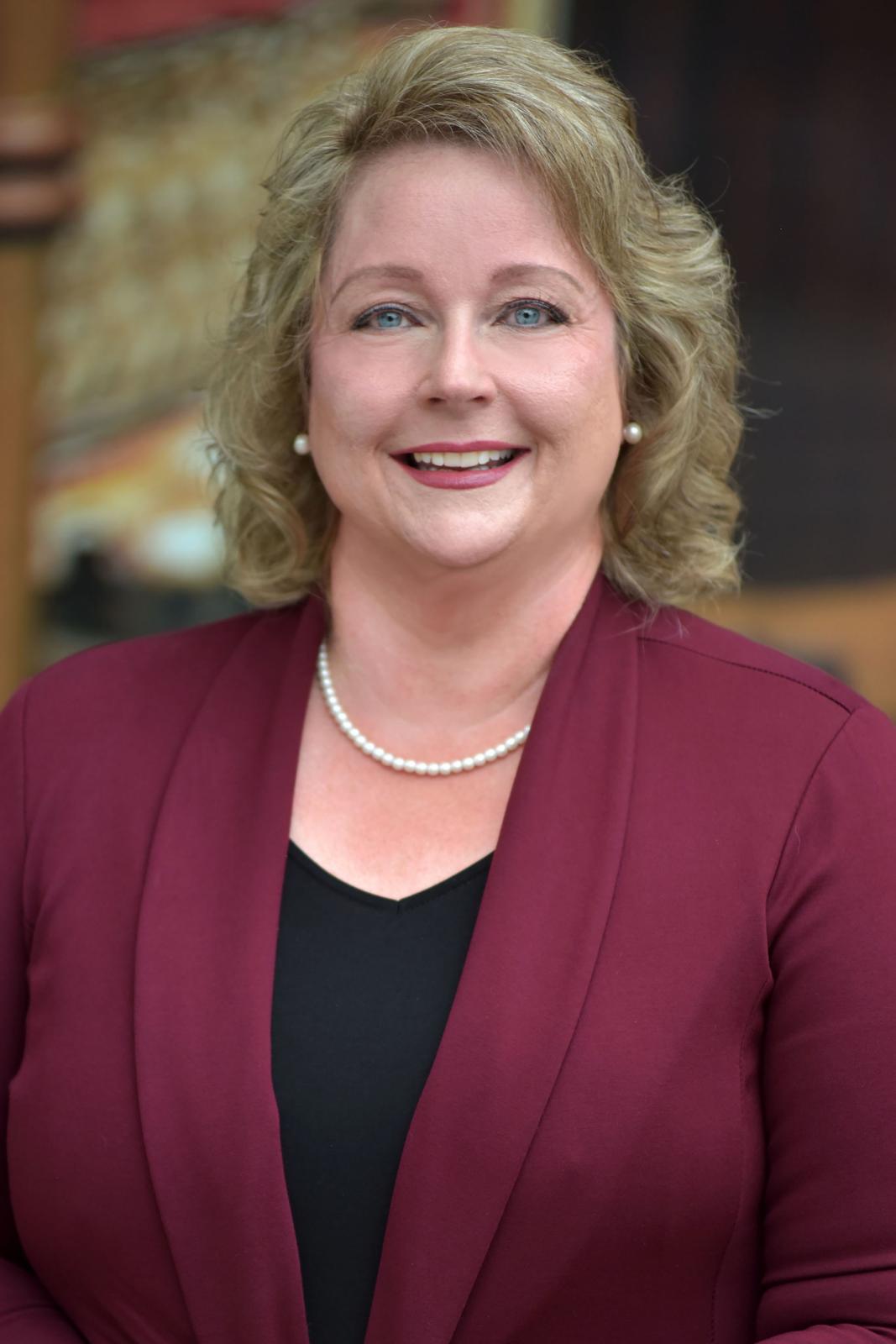
"There are a lot of similarities among all of us nurses across the world," she said. "We are interested in caring for our patients and identifying the best outcomes for them—and what we need to do to get there."
A decade-long member of IAHC, Rigdon continues to share research on the science of caring she conducted during the COVID-19 outbreak. When she presented at the organization's conference in Europe this past summer, nurses, healthcare professionals and nursing theorists from around the world learned of her findings on compassion satisfaction, compassion fatigue and nursing burnout.
"Compassion satisfaction is a sense of fulfillment nurses receive from caring for others. Compassion fatigue emerges from the emotional toll of continually caring for people in difficult circumstances, and burnout is associated with conditions within the workplace," she said.
Her research also examined nurses' self-care, including physical, mental and spiritual factors in relation to their professional quality of life.
"Spirituality was the one variable that stood out the most as being impactful," Rigdon said. "I don't necessarily mean religion, although spirituality can include religion, but rather spirituality in a sense of purpose and connection."
While artificial intelligence and technology have a role in the workplace, neither can substitute human touch, she said.
"A screen cannot replace looking at a patient, listening to a worried family member or sitting beside someone who is frightened," she said. "We're not just taking care of a diagnosis. We're taking care of a person."
Rigdon also focuses on the future of nursing education through her involvement in the Southeastern Conference Nursing Professional Development Consortium, a group of representatives from schools of nursing focused on professional development. Members meet virtually each month and in person annually, learning from other institutions and bringing ideas back to their respective schools.
"That collaboration helps us all grow," Rigdon said. "It's a support system for faculty."
Topics include accessibility in nursing education, competency-based training, accreditation, AI and the transition from clinical practice to the classroom.
Preparing nurses to provide safe, evidence-based care means teaching nurses to recognize the person behind the diagnosis, she concluded.
"Take the time to be present, make eye contact and really listen to what your patient is saying. The little things matter, because at the heart of nursing, caring matters."
The MSU School of Nursing is located at the MSU-Meridian Riley Campus and offers students direct access to leading regional healthcare systems. Through hands-on clinical experiences, team-based learning, and training in a state-of-the-art interprofessional simulation center, students develop knowledge, skills and confidence needed to excel in today's healthcare environment and become practice-ready nursing professionals.
Mississippi State University is taking care of what matters.